


Learning a new language usually fails in the same boring place: a long study session you promised you’d “do properly” after your next IB deadline.
Then your week fills up. CAS. IA drafts. A surprise quiz. And language practice becomes the first thing you postpone because it feels like it requires a perfect hour.
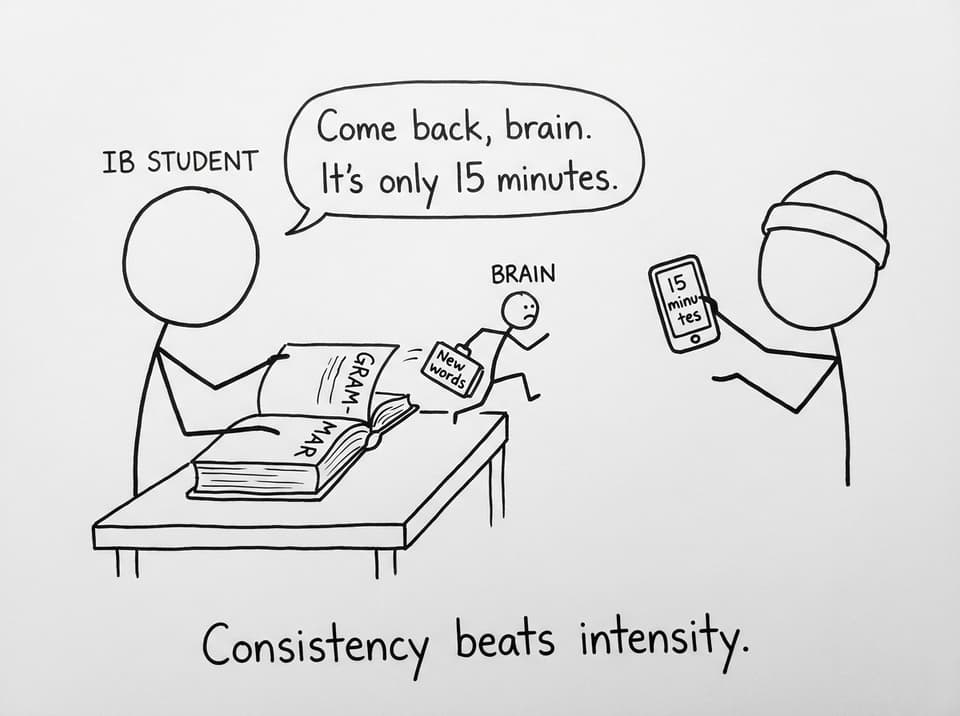
The easiest way to learn a new language as an IB student is simpler (and kinder): build a tiny routine that survives stressful weeks, then let the minutes compound. If you can keep the habit alive, you can keep improving.
The easiest way to learn a new language (IB checklist)
Use this as your baseline for IB language success:
-
Daily minimum: 10--15 minutes you can do even on bad days
-
Input: watch/listen/read something you actually like
-
Output: speak or write a little from day one
-
Memory system: spaced repetition flashcards (phrases, not isolated words)
-
Exam alignment: practice tasks that resemble what your IB assessment asks for
If you want a longer plan that fits a school year, borrow the structure from How to Build a Full Self-Study Language Plan for One Year.
Why “traditional study” feels hard in IB
Traditional language learning often leans on grammar drills and giant vocabulary lists. Those can help, but they’re fragile: miss a week in busy IB season and you feel like you’re back at zero.
A better model is skills-first.
You feed your brain real language (input), you try producing it (output), and you use spaced repetition to stop forgetting. That’s how you get fluent enough for exams without needing a perfect schedule.
Strategy that works: IB-style immersion you can sustain
Immersion doesn’t require moving abroad. For IB students, immersion means making the language show up in your day with low friction.
-
Watch short clips with subtitles in your target language (start with topics you’d watch anyway).
-
Follow creators who speak clearly, then rewatch the same clip twice.
-
Read graded texts and highlight phrases you can reuse in writing.
The trick is repetition with meaning: one good clip, revisited, beats ten random ones.
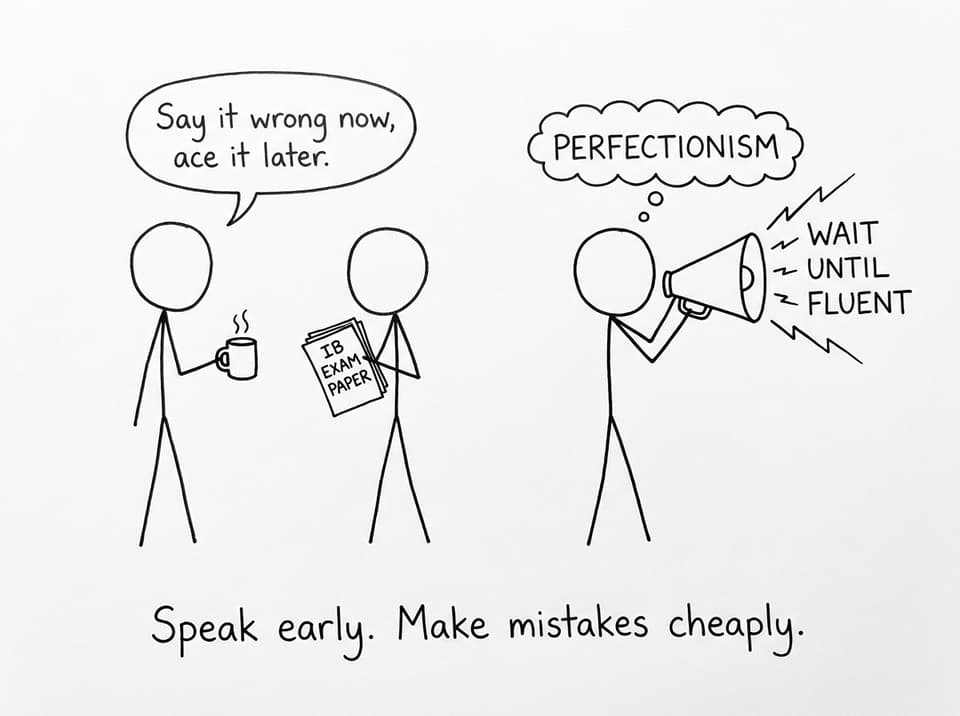
Start speaking on day one (yes, even if it’s messy)
Most students wait to speak until they “know enough.” In IB, that’s a costly delay because oral confidence is trained, not discovered.
Do this instead:
-
Record 60 seconds answering a simple prompt.
-
Use “repair phrases” (e.g., “Let me rephrase that…”) to stay calm.
-
Get feedback early, while mistakes are small.
If Language B is your focus, pair this mindset with Essential Tips for Mastering Language B.
Use spaced repetition flashcards (the IB memory shortcut)
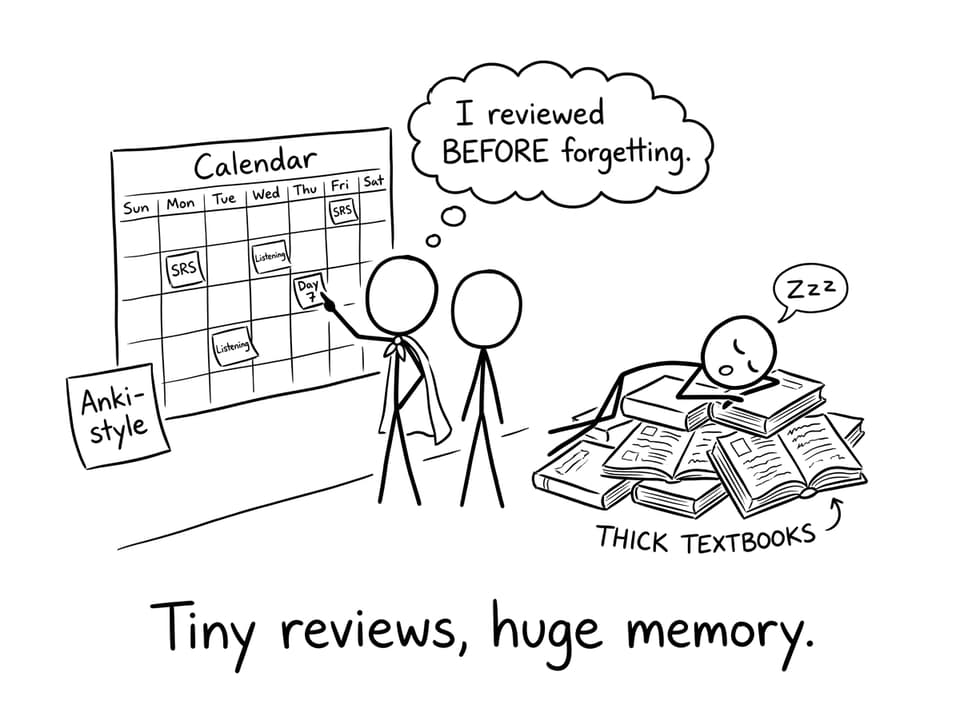
Vocabulary disappears unless you retrieve it. Spaced repetition makes retrieval automatic.
Build flashcards around phrases you can use, not single words. Example: instead of “to improve,” learn “to improve my health” and “to improve my grades.” That’s instantly useful for IB themes and writing tasks.
RevisionDojo makes this loop smoother:
-
Use IB Flashcards with Spaced Repetition (SRS) to review daily.
-
Explore the Flashcards feature when you want a structured system.
-
Reinforce exam technique with the Questionbank so you practice applying language, not just recognizing it.
For a vocabulary-specific routine, keep IB Vocabulary Review: Effective Ways to Remember Words open while you build your deck.
A 15-minute routine built for IB students
Here’s a routine that fits between classes and still moves you forward in IB:
-
5 minutes: RevisionDojo Flashcards (focus on phrases and connectors)
-
5 minutes: listen to a short clip twice, copy 2 useful sentences
-
5 minutes: speak or write using those sentences (tiny output)
Once a week, add one deeper session: timed writing, a mini oral recording, or targeted practice using RevisionDojo’s Study Notes, AI Chat, and Grading tools. When you’re close to exams, Mock Exams and Predicted Papers help you rehearse performance under pressure.
If you’re juggling commitments, the routine principles in Balancing Language Learning with Work, School and Extracurriculars make this sustainable.
The easiest way to learn a new language (and keep your IB grades intact)
The easiest way to learn a new language isn’t a secret method. It’s a routine that survives IB life: tiny daily practice, early speaking, and spaced repetition that protects your memory.
If you want that routine to feel organized instead of chaotic, make RevisionDojo your home base: build with Study Notes, remember with Flashcards, sharpen with Questionbank practice, and steady yourself with AI Chat, Grading tools, Mock Exams, Predicted Papers, the Coursework Library, and Tutors.
Your future self doesn’t need a heroic study day. They need you to start today--and show up again tomorrow.